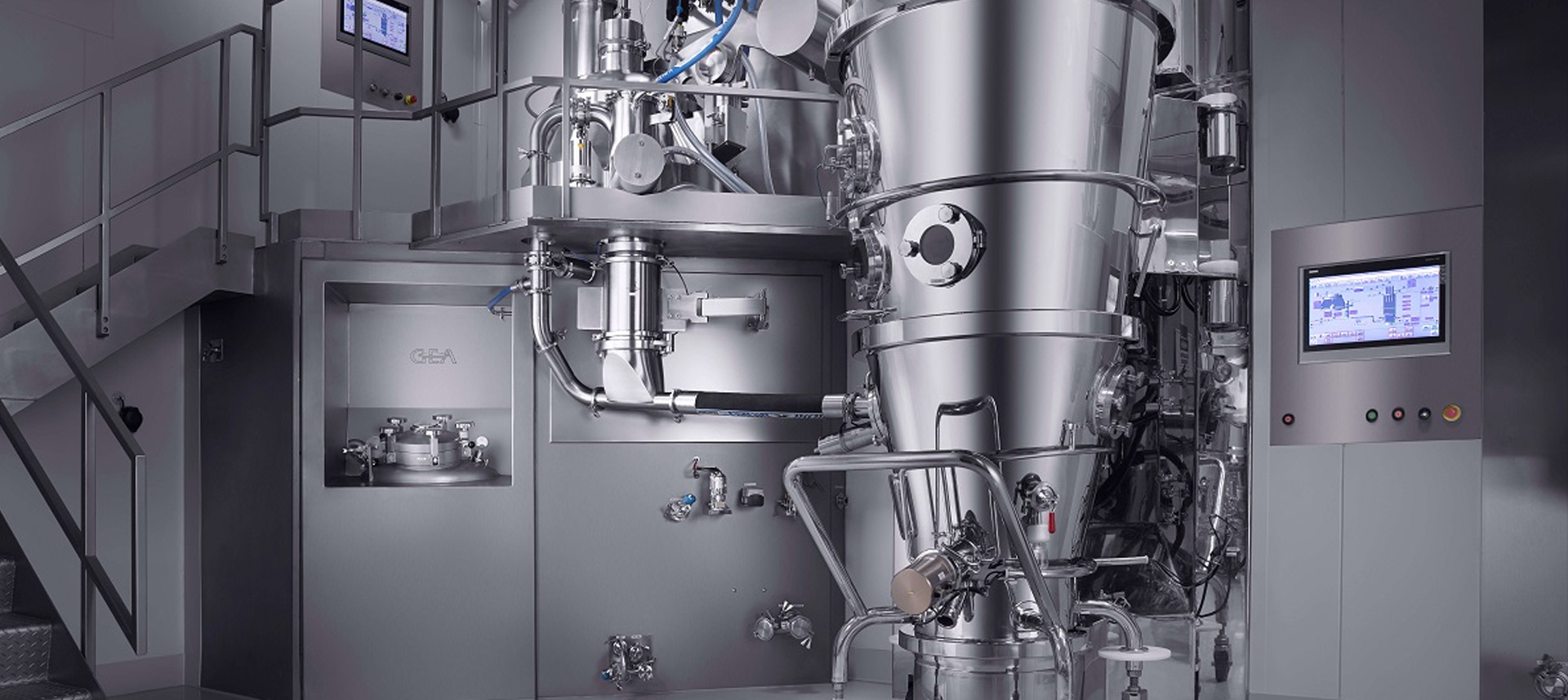
Sterile drug products intended for injection or ophthalmic use must meet the highest standards of microbial control to protect patient safety. As demand increases for sterile small-molecule injectables—including cardiovascular drugs, ophthalmic solutions, pain therapies, antibiotics, and large-volume intravenous fluids—the industry continues to favor robust sterilization strategies applied after final product manufacture.
Terminal sterilization is a highly effective approach in which the finished drug product, already sealed in its final container, undergoes a validated sterilization cycle. This process provides a reliable safeguard against microbial contamination by eliminating bacteria, fungi, and other viable microorganisms prior to patient use.
If your injectable or ophthalmic product requires terminal sterilization, our teams are equipped to support your program from development through final release.
Our pharmaceutical sterilization specialists work closely with your development team to evaluate product compatibility, container-closure integrity, and regulatory expectations—ensuring the selection of an optimal sterilization strategy tailored to your formulation.
Our FDA-inspected and EU Qualified Person (QP)-audited cGMP facility features Grade C and Grade D cleanroom environments designed for the development of injectable drug products and topical ophthalmic formulations suitable for terminal sterilization. These suites are engineered to manage potent compounds while minimizing bioburden and cross-contamination risks throughout manufacturing.
From formulation design to sterilization validation and final product delivery, our integrated teams ensure that sterility, safety, and compliance are maintained at every stage.
Global regulatory authorities—including the U.S. Food and Drug Administration and the European Medicines Agency—consistently recommend terminal sterilization whenever the drug product and packaging system can tolerate the process. This preference reflects the higher sterility assurance and operational reliability associated with terminal methods.
Terminal sterilization is performed after formulation, filling, and sealing of the primary container. Because sterilization occurs at the final stage, upstream manufacturing steps can be conducted in less restrictive environments compared to aseptic processing, reducing operational complexity and human intervention. This results in faster manufacturing timelines, improved reproducibility, and lower overall production costs.
In contrast, aseptic manufacturing relies on maintaining sterility throughout the entire production process. While necessary for heat- or radiation-sensitive products, aseptic processing introduces additional risk due to manual handling and environmental exposure and requires significantly more complex facility controls.
Sterility assurance level (SAL) is a critical metric in sterile product manufacturing, representing the statistical probability that a single viable microorganism survives the sterilization process.
This measurable difference underscores why terminal sterilization is considered the gold standard whenever product compatibility allows. When terminal sterilization is not feasible due to formulation or container limitations, aseptic processing may be employed—but only as an alternative rather than a preferred approach.
Terminal sterilization offers a proven, repeatable, and regulator-preferred solution for ensuring sterility of injectable and ophthalmic drug products. By minimizing contamination risk, simplifying manufacturing workflows, and delivering superior sterility assurance, it supports both patient safety and efficient drug development.
Our experienced teams help you evaluate feasibility early, validate sterilization parameters, and deliver compliant sterile products with confidence—whether for clinical supply or commercial distribution.